Urinary Incontinence In Postmenopausal Females Triggers, Signs, Treatment
@caidenxjsl598
What are the initial indicators of bladder weakness?
- solid desire to urinate.leaking urine without any warning or urge.being unable to reach a toilet in time. In appropriate individuals,
- a skilled urologist or urogynecology & rebuilding pelvic surgical procedure (URPS)professional can help. They might supply bladder Botox & #xae;(onabotulinumtoxin ). Botox & #xae; benefit the bladder by loosening up the muscular tissue of the bladder wall minimizing urinary system urgency and urge incontinence.

What Is Perimenopause? A Doctor Describes
- Bladder control is an usual problem, specifically if you've recently had a baby or you're an older woman.
- I recognize it appears simple, yet dealing with an over active bladder at home usually begins with these fundamentals.
- The increased requirement to pee is a typical signs and symptom that ladies experience while pregnant.
Desire Incontinence & Over Active Bladder
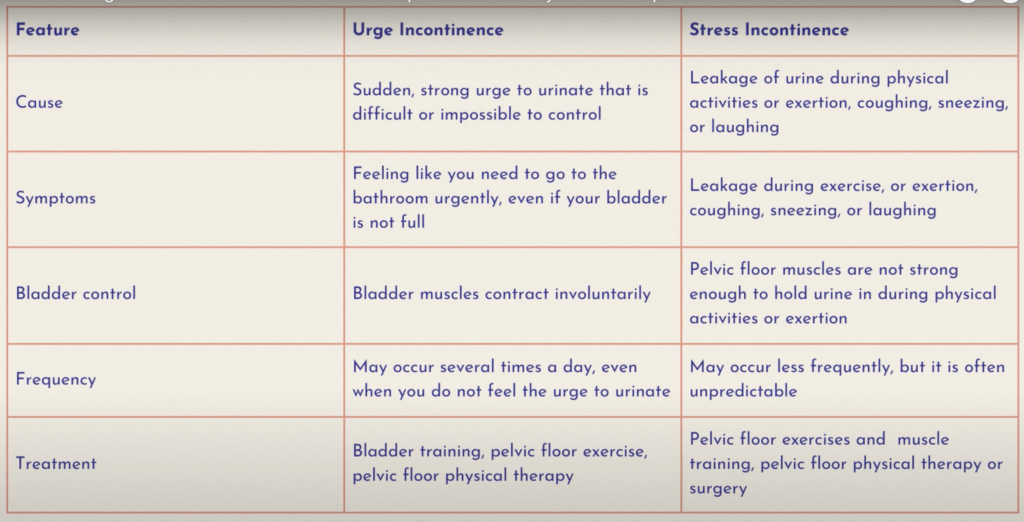
Pelvic muscle workouts and way of life adjustments (weight-loss, stopping smoking cigarettes, not drinking alcohol and drinking less high levels of caffeine) may aid with your bladder control concerns. One of the most important step is letting your doctor know about the problems that you're having. Lots of ladies believe that bladder control issues are a regular part of life. Urinary urinary incontinence can be awkward and embarrassing, yet luckily, there are services that can aid. Several ladies benefit from basic pelvic flooring workouts to bring back muscle mass tone and avoid pee leak. PD-related modifications usually trigger these signs in addition to other wellness concerns common with aging or giving birth. Menopause brings hormonal adjustments that make cells around the urethra and bladder much less strong and much less stretchy. This makes females most likely to obtain urinary system infections and bladder irritation. Both issues can influence the bladder and create overactive bladder signs and symptoms. With urge incontinence, the muscles of the bladder convulsion or agreement, compeling pee past the sphincter muscles around television that pee spurts of (the urethra). In older adults, complication or hallucinations might be the only indications of infection. Usually, this process occurs instantly without much thought. When the moment is right, the brain signals the bladder muscles to tighten up and the sphincter muscular tissues to unwind, allowing pee to flow out. The sphincter muscle mass act like a valve to maintain pee from slipping out at other times. However the fact is, although it's absolutely typical, UI is certainly not typical-- and it's likewise something you must certainly go over with your physician. For lots of women, bladder leakage is one of the changes on the not-so-good side of that list. Timed nullifying and prompt suppression methods, such as disturbance or leisure workouts, can make it simpler to wait longer in between journeys. Pelvic floor workout, bladder training, and medicine all aid treat this symptom. This pattern is a significant indication for diagnosing an over active bladder. Frequent urination is specified as needing to go more than eight times in 24 hours, even when the bladder isn't full. While urinary system incontinence isn't an inevitable part of ageing, its frequency does enhance in line with age. Particular drugs can aid loosen up the bladder or improve muscle tone, particularly for desire urinary incontinence. We will go over the threats, benefits, and side effects to find the best fit for you. People with PD go to higher risk for urinary system system infections (UTIs), especially if the bladder does not empty completely. While some UTI signs and symptoms are easy to identify, others may be more difficult to detect and can in some cases be mistaken for modifications in PD. If you're treating an over active bladder, cutting down on these irritants might help in reducing need to urinate and enhance your quality of life. Drinking sufficient water, but not excessive, assists maintain your bladder regular. This condition is brought on by the weakening of the pelvic flooring muscular tissues-- the muscular tissues that sustain your bladder and various other pelvic organs.◇